en
en  tr
tr ar
arEmergency Service
Emergency departments are among the most vital components of the healthcare system. Emergency services are always the first point of contact for patients facing sudden illnesses, accidents, or life-threatening situations. Emergency services in Bursa provide a critical safety net for hundreds of thousands of people living in the city. In situations such as traffic accidents, heart attacks, cerebrovascular blockages, high fever, sudden abdominal pain, respiratory distress, or allergic reactions, every minute — even every second — matters enormously.
Özel Aritmi Hospitals Emergency Departments provide uninterrupted 24/7 service at both the Osmangazi, Çekirge Heart Hospital and İnegöl branches. Thanks to emergency medicine specialists, experienced nurses, paramedics, and a strong technical infrastructure, every patient presenting to the emergency department is rapidly assessed. From initial examination to laboratory tests, from radiological imaging to surgical interventions, every step is carried out using modern methods.
For a patient living in Bursa, easy accessibility of emergency services is of great importance. For this reason, Aritmi Hospitals offer safe and comfortable healthcare to patients of all ages, with their central locations and rapid triage system. The goal here is not only emergency intervention but also ensuring that patients feel secure and that the treatment process begins without delay.
Osmangazi Aritmi Appointment Çekirge Aritmi Appointment İnegöl Aritmi Appointment
The emergency department is one of the most critical units of the healthcare system, providing rapid and effective intervention for sudden health problems. For individuals living in Bursa, emergency services are not just departments that operate continuously regardless of day or night — they are also centers that play a life-saving role. In situations such as traffic accidents, heart attacks, strokes, poisonings, high fever, or sudden shortness of breath, correct intervention within minutes can mean the difference between life and death.
Özel Aritmi Hospitals Emergency Departments serve 24/7 at the Bursa Osmangazi, Çekirge Heart Hospital and İnegöl branches. These units, equipped with experienced emergency medicine specialists, solution-focused nurses, fast-acting paramedics, and a strong technical infrastructure, provide patients with a reassuring environment. In emergency departments, the "triage system" is applied at the first step to determine patient priority. This way, a patient experiencing a heart attack or serious trauma receives intervention within seconds, while patients with milder complaints are safely evaluated in order.
The most common problems among patients presenting to emergency services in Bursa include the following:
Heart attack and chest pain: Sudden onset conditions that carry life-threatening risk.
Cerebrovascular blockages (stroke): Manifests with facial drooping, speech disorders, and weakness in the arm or leg.
Trauma and accidents: Traffic accidents, falls, injuries.
Sudden abdominal pain: Conditions requiring emergency surgery such as appendicitis, gallbladder inflammation, or intestinal obstruction.
Poisonings and allergic reactions: Emergency conditions related to medications, food, or insect stings.
Respiratory distress: Sudden shortness of breath such as asthma attacks or COPD exacerbations.
The most important element in emergency departments is the ability to make a rapid and accurate diagnosis. For this purpose, at Aritmi Hospitals in Bursa:
Laboratory tests (complete blood count, biochemistry, cardiac enzymes),
Radiological imaging (CT, MRI, ultrasound),
Electrocardiography (ECG),
Rapid intervention areas (resuscitation room, trauma unit) are utilized.
Treatments applied in the emergency department include intravenous access, oxygen support, emergency surgical operations, advanced cardiac life support for heart attacks, thrombolytic therapies for stroke, and rapid surgical interventions in severe trauma.
In summary, Özel Aritmi Hospitals' emergency departments in Bursa provide uninterrupted healthcare service to patients of all age groups with a strong specialist team, modern equipment, and a rapid intervention approach centered on patient safety.
Patients are classified according to urgency. Triage nurses evaluate complaints and identify patients in the Bursa emergency department who need priority treatment.
This is the section where life-threatening cases receive rapid intervention. Specialist physicians are on duty 24/7 for emergencies such as cardiac arrest, severe trauma, and respiratory failure.
Reserved for patients with moderate urgency. Severe pain, infection, or trauma cases are evaluated in this area, where laboratory and imaging support is frequently used.
Low-urgency complaints such as simple infections, minor injuries, and prescription renewals are treated here. Patients are discharged quickly and referred to outpatient follow-up.
Patients whose condition has not yet been clarified are kept under observation. Fluid therapy, cardiac monitoring, or symptom tracking is performed. Plays a critical role in Bursa emergency services.
Emergency services are life-savers in sudden health problems. In a large city like Bursa, hundreds of people visit emergency departments every day. Conditions such as heart attacks, traffic accidents, strokes, high fever, allergic reactions, or sudden abdominal pain require rapid intervention.
Özel Aritmi Hospitals Emergency Departments provide uninterrupted 24/7 service at the Osmangazi, Çekirge Heart Hospital, and İnegöl branches.
Experienced team of emergency medicine specialists, nurses, and paramedics
Areas equipped with modern devices
Prioritization within seconds through the rapid triage system
Laboratory and radiology results are obtained in a short time
Resuscitation rooms and trauma areas are fully equipped
Each patient is directed according to their complaint in red, yellow, and green zones
Immediate collaboration with cardiology (e.g., chest pain and heart attack)
Neurosurgery consultation (e.g., head traumas)
Coordinated work with internal medicine, orthopedics, and pediatric health departments
Patients and their relatives are kept informed throughout the treatment process
Transparent communication and trust-centered approach
Easily accessible locations in Osmangazi, Çekirge, and İnegöl
In conclusion:
Anyone in Bursa who needs emergency healthcare can receive safe, fast, and modern healthcare services at Özel Aritmi Hospitals' Osmangazi, Çekirge Heart Hospital, and İnegöl emergency departments.
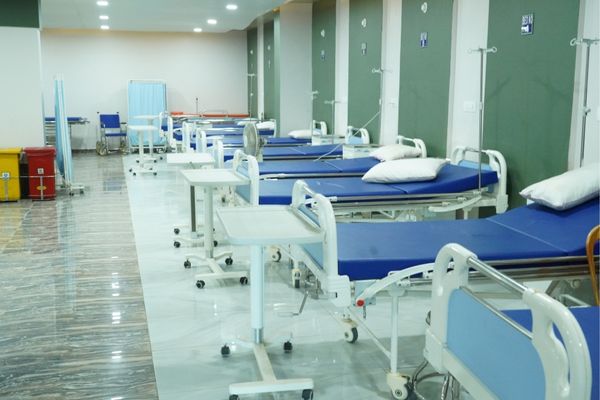
The emergency department is one of the sections where rapid and accurate diagnosis of sudden health problems is most critical. Patients presenting to emergency services in Bursa often come with complaints such as chest pain, shortness of breath, high fever, altered consciousness, traffic accident injuries, or sudden abdominal pain. In such situations, the diagnostic process begins within minutes.
Every patient arriving at the emergency department is first assessed in the triage area.
The triage nurse listens to the complaints, measures vital signs (blood pressure, pulse, oxygen saturation).
Patients are directed to red, yellow, or green zones according to their urgency level.
For example, a suspected heart attack is taken to the red zone, while simple injuries are monitored in the green zone.
The prioritized patient is immediately examined by an emergency medicine specialist.
A detailed physical examination is performed according to the complaints.
During the initial examination, communication is established with the patient and relatives to learn the duration of the complaint, accompanying illnesses, and medications used.
Tests are carried out without delay in the emergency department:
Blood tests: Infection, organ functions, cardiac enzymes.
Urine tests: Kidney and urinary tract problems.
Emergency biochemistry analyses: Liver, kidney, and electrolyte values.
At Aritmi Hospitals in Bursa, these tests are completed on the same day within a short time.
Rapid imaging is critically important for accurate diagnosis:
Computed Tomography (CT): Trauma, brain hemorrhage, pulmonary embolism.
Magnetic Resonance (MRI): Stroke, brain tumors, or spinal cord problems.
Ultrasound: Gallstones, intra-abdominal bleeding.
X-Ray: Fractures after trauma or lung problems.
Some patients in the emergency department may require the support of different specialties:
Cardiology: In heart attacks or rhythm disorders.
Brain and Neurosurgery: In head traumas and brain hemorrhages.
Orthopedics and Traumatology: In fractures and dislocations.
Internal Medicine and Pediatrics: In chronic disease flare-ups or pediatric cases.
A definitive diagnosis is made for the patient based on the tests and examination performed.
If necessary, the patient is admitted from the emergency department to intensive care or the relevant clinic.
Patients with mild complaints can be monitored in the short-term observation area and then discharged.
At Özel Aritmi Hospitals emergency departments in Bursa, the diagnostic process is meticulously conducted from initial assessment to laboratory tests, from imaging methods to consultations. The goal is for every patient to reach the correct diagnosis in the shortest time possible and begin a safe treatment process.
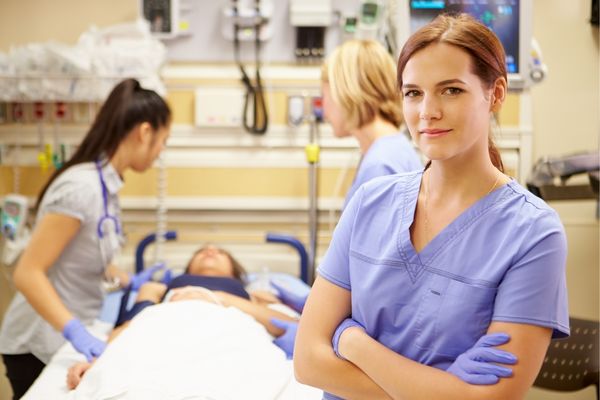
Emergency departments are specialized units equipped for rapid and accurate intervention in sudden illnesses and accidents. Patients presenting to emergency services in Bursa may sometimes come with a simple complaint and sometimes with a life-threatening condition. For this reason, the methods used and interventions performed in emergency departments are diverse. The fundamental methods applied in Özel Aritmi Hospitals emergency departments are as follows:
In cases of heart attack or sudden cardiac arrest, CPR (cardiopulmonary resuscitation) is applied.
Defibrillator devices are used to intervene in rhythm disorders.
Emergency intubation and oxygen support are provided for patients whose breathing has stopped.
Such procedures are life-saving because they are performed within seconds. Collaboration with the cardiology department is especially important here.
In asthma attacks, COPD exacerbations, or severe lung infections, oxygen therapy is applied.
When required, respiratory support is provided with mechanical ventilators.
Rapid intubation is performed in airway obstructions.
In these areas, internal medicine and chest diseases specialists are often also involved in the process.
Conditions such as appendicitis, stomach perforation, or intestinal obstruction may require emergency surgery.
Patients with suspected internal bleeding after trauma receive surgical consultation and rapid intervention.
For head traumas and brain hemorrhages, brain and neurosurgery is called in.
In some cases, general surgery and orthopedics and traumatology departments act together.
For high fever and infections, antibiotics are initiated.
Patients experiencing severe pain are given painkillers and muscle relaxants.
In allergic reactions, antihistamines and corticosteroids are administered.
In poisonings, antidotes and supportive treatments are employed.
Especially in pediatric patients, pediatric health and diseases specialists take part in this process.
Patients who have experienced trauma or significant blood loss receive blood transfusion.
Intravenous access is established and fluid support is provided.
In electrolyte imbalances, stabilization is achieved with rapid fluid therapies.
These interventions are often supported by the opinions of specialties such as gastroenterology or nephrology.
Rapid diagnostic methods come into play simultaneously with interventions:
ECG is used to instantly check heart rhythm.
Ultrasound and CT are used to rapidly evaluate internal organs.
Laboratory tests are completed within a few hours.
When necessary, consultation is conducted with neurology or physical therapy and rehabilitation specialists.
Joint work is carried out with specialties such as cardiology, neurosurgery, orthopedics, and internal medicine.
In pediatric emergency cases, pediatrics (pediatric health and diseases) specialists are ready in the emergency department.
When there are emergency conditions related to gynecological diseases, rapid consultation with the obstetrics and gynecology department is provided.
When needed, patients are directed to the observation unit or intensive care.
In conclusion:
The methods used in Özel Aritmi Hospitals emergency departments include advanced life support, respiratory support, emergency surgery, medication treatments, and modern diagnostic devices. The emergency departments serving at the Osmangazi, Çekirge Heart Hospital, and İnegöl branches in Bursa offer patients fast, reliable, and uninterrupted healthcare service with both their technological infrastructure and multidisciplinary specialist team.
Emergency services in Bursa are most commonly preferred due to chest pain, high fever, abdominal pain, traffic accident injuries, respiratory distress, and allergic reactions.
Yes. Özel Aritmi Hospitals emergency departments in Osmangazi, Çekirge Heart Hospital, and İnegöl provide uninterrupted service 7 days a week, 24 hours a day.
Rapid imaging methods such as blood tests, ECG, X-ray, ultrasound, computed tomography (CT), and MRI can be performed on the same day at our emergency departments in Bursa.
You are prioritized according to your urgency through the triage system. Patients with vital risk are immediately assessed in the red zone, while patients with milder complaints are safely examined in the green or yellow zone.
Emergency department fees may vary depending on the tests performed, treatments applied, and the patient's urgency status. Özel Aritmi Hospitals is contracted with SGK (Social Security Institution) and provides services with a transparent pricing policy in Bursa and the surrounding area.
Osmangazi Aritmi Appointment Çekirge Aritmi Appointment İnegöl Aritmi Appointment
Cookies are used on our website to improve user experience. For detailed information, you can review our Cookie Policy.