en
en  tr
tr ar
arRadiology
Radiology services in Bursa are among the most important medical resources used in the diagnosis and treatment of diseases through imaging methods. Today, technologies such as X-ray, ultrasound, computed tomography (CT), magnetic resonance imaging (MRI), mammography, and PET-CT make it possible to evaluate internal body structures in great detail and detect many conditions at an early stage. In particular, our patients living in Bursa are often referred to the radiology department because of abdominal pain, headache, trauma, shortness of breath, bone pain, breast masses, or suspected internal organ problems.
Radiology is not limited to diagnostic imaging alone. It also contributes to treatment through image-guided interventional procedures. With ongoing technological advances, artificial intelligence-supported analysis, three-dimensional reconstruction, and targeted interventions are improving diagnostic accuracy and making treatment planning safer and more effective.
Private Aritmi Hospitals provide reliable radiology services in Bursa and surrounding areas with modern imaging devices, experienced specialists, and fast reporting systems. From emergency conditions to routine checkups, radiologic evaluation is often the foundation of accurate diagnosis.
Remember: Early diagnosis with the right imaging method directly affects treatment success in many diseases. Evaluating symptoms without delay is an important part of protecting your health.
Osmangazi Aritmi Book Appointment Çekirge Aritmi Book Appointment İnegöl Aritmi Book Appointment
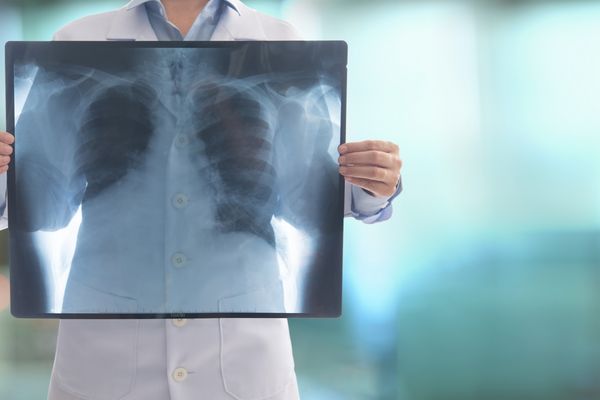
Radiology is the medical field that allows physicians to examine internal body structures through different imaging techniques. The question “What is radiology?” can be answered as a medical specialty that supports diagnosis and, in some cases, treatment through imaging technologies. This area is closely connected with diagnostic radiology, interventional radiology, and nuclear medicine.
Radiology is also a multidisciplinary field. It works in collaboration with oncology, neurology, cardiology, neurosurgery, gynecology, orthopedics, pulmonary medicine, and internal medicine. In this way, radiology not only produces images but also supports diagnosis, treatment planning, and follow-up.
The question “what does radiology evaluate?” can be answered as follows: radiology contributes to the diagnosis, follow-up, and treatment planning of a wide range of diseases by imaging bones, organs, vessels, and soft tissues. Radiology reports are interpreted according to the patient’s symptoms, age, sex, medical history, and clinical pre-diagnosis.
Bursa is one of the cities where radiologic evaluations are frequently performed because of its dense population and broad healthcare needs. For patients searching for “radiology in Bursa,” “MRI in Bursa,” “CT scan in Bursa,” “ultrasound in Bursa,” or “mammography in Bursa,” Private Aritmi Hospitals have become a reliable healthcare center.
Our radiology department offers not only diagnostic imaging but also, when necessary, interventional procedures. Minimal invasive applications such as biopsy, drainage, ablation, and angiographic embolization can provide alternatives to surgery in selected cases. Fast reporting and multidisciplinary evaluation also make it possible to move quickly into treatment planning.
Fast first-line imaging is provided for fractures, dislocations, chest imaging, and general bone evaluations.
The liver, gallbladder, kidneys, thyroid, and soft tissues are evaluated in real time with a radiation-free method.
Detailed cross-sectional imaging supports rapid diagnosis in trauma, lung diseases, abdominal pathologies, and emergency cases.
The brain, spinal cord, joints, muscles, and soft tissues are examined in high detail for advanced diagnostic planning.
Methods supporting early diagnosis are used in breast cancer screening and evaluation of suspicious lesions.
Biopsy, drainage, ablation, and embolization can be performed as minimally invasive procedures under imaging guidance.
Advanced metabolic imaging is used for cancer spread, metastasis screening, and monitoring treatment response.
MR angiography, CT angiography, and Doppler ultrasound are used to evaluate vascular occlusions, aneurysms, and flow disorders.
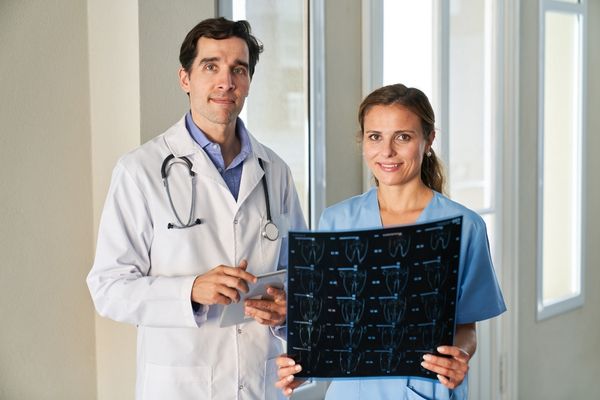
In radiology, the diagnostic process begins with choosing the most appropriate imaging method according to the patient’s symptoms and clinical pre-diagnosis. At the Private Aritmi Hospitals Radiology Department, the process is carried out quickly and systematically.
Rapid diagnostic protocols are important in emergency conditions, while detailed reporting is crucial for chronic follow-up. Having multiple imaging options within the same center provides an important advantage for our patients in Bursa.
Radiology appointments are often arranged through physician referral. However, the following symptoms and clinical suspicions may indicate the need for imaging:
The selected imaging method is determined not only by the complaint but also by pregnancy status, implants, contrast suitability, and other patient-specific factors.
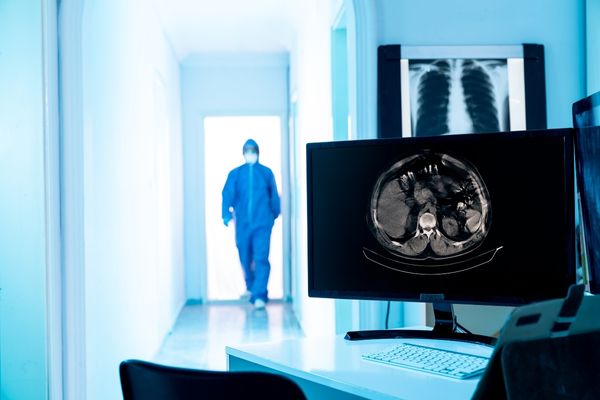
For patients seeking a reliable center for radiologic examinations and interventional procedures in Bursa, Private Aritmi Hospitals stand out with modern infrastructure and patient-centered care.
Accurate imaging is the first step toward accurate diagnosis. For reliable and fast radiologic evaluation in Bursa, Private Aritmi Hospitals are an important healthcare destination.
If you would like detailed information about radiology services in Bursa or want to create an appointment,
contact us now!
X-ray, ultrasound, computed tomography, magnetic resonance imaging, mammography, and PET-CT are among the most commonly used methods. Each offers advantages for different tissues and disease groups.
Safety depends on the method used. Ultrasound and MRI do not contain radiation, while X-ray and CT are performed under dose-safety principles when clinically necessary.
Most radiologic examinations are painless. In some contrast-enhanced studies, there may be a brief needle sensation or mild temporary discomfort.
Radiology is used in the evaluation of cancer, brain hemorrhage, fractures, vascular diseases, internal organ pathologies, lung diseases, kidney stones, and many acute or chronic conditions.
The choice is made by the physician according to the patient’s complaint, pre-diagnosis, age, pregnancy status, implant history, and clinical need.
Cookies are used on our website to improve user experience. For detailed information, you can review our Cookie Policy.